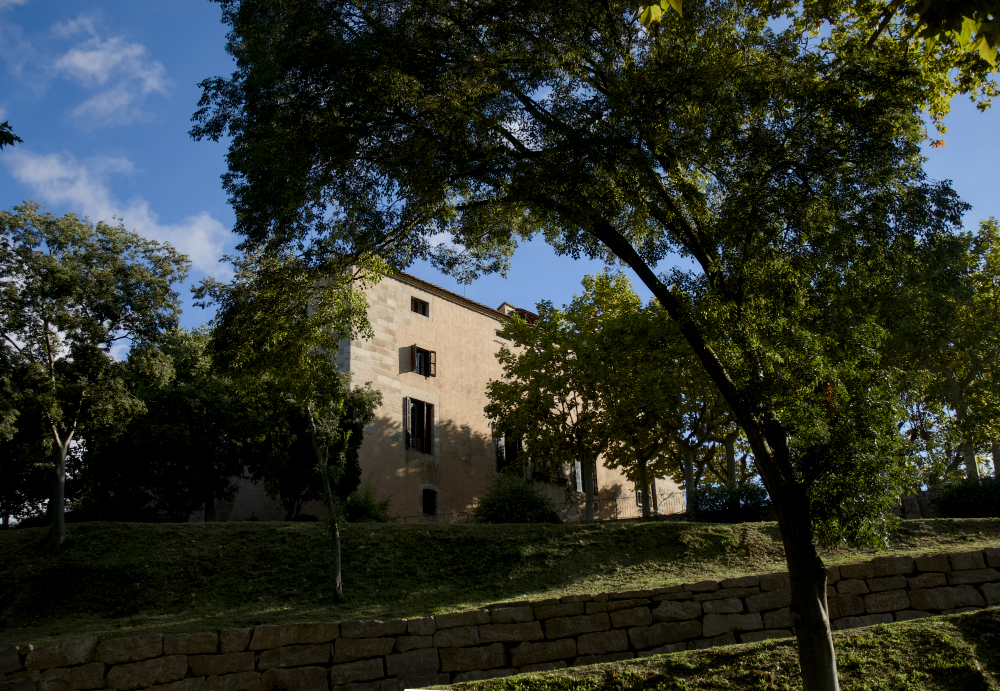

A Renaissance palace between nature and living heritage
The Castell Nou de Llinars del Vallès is one of the most remarkable examples of a civil Renaissance palace in Catalonia. Built between 1548 and 1558 by Riambau de Corbera i Santcliment, a nobleman closely linked to the royal court, it replaced the Castell Vell, which was seriously damaged by the earthquakes of 1484.
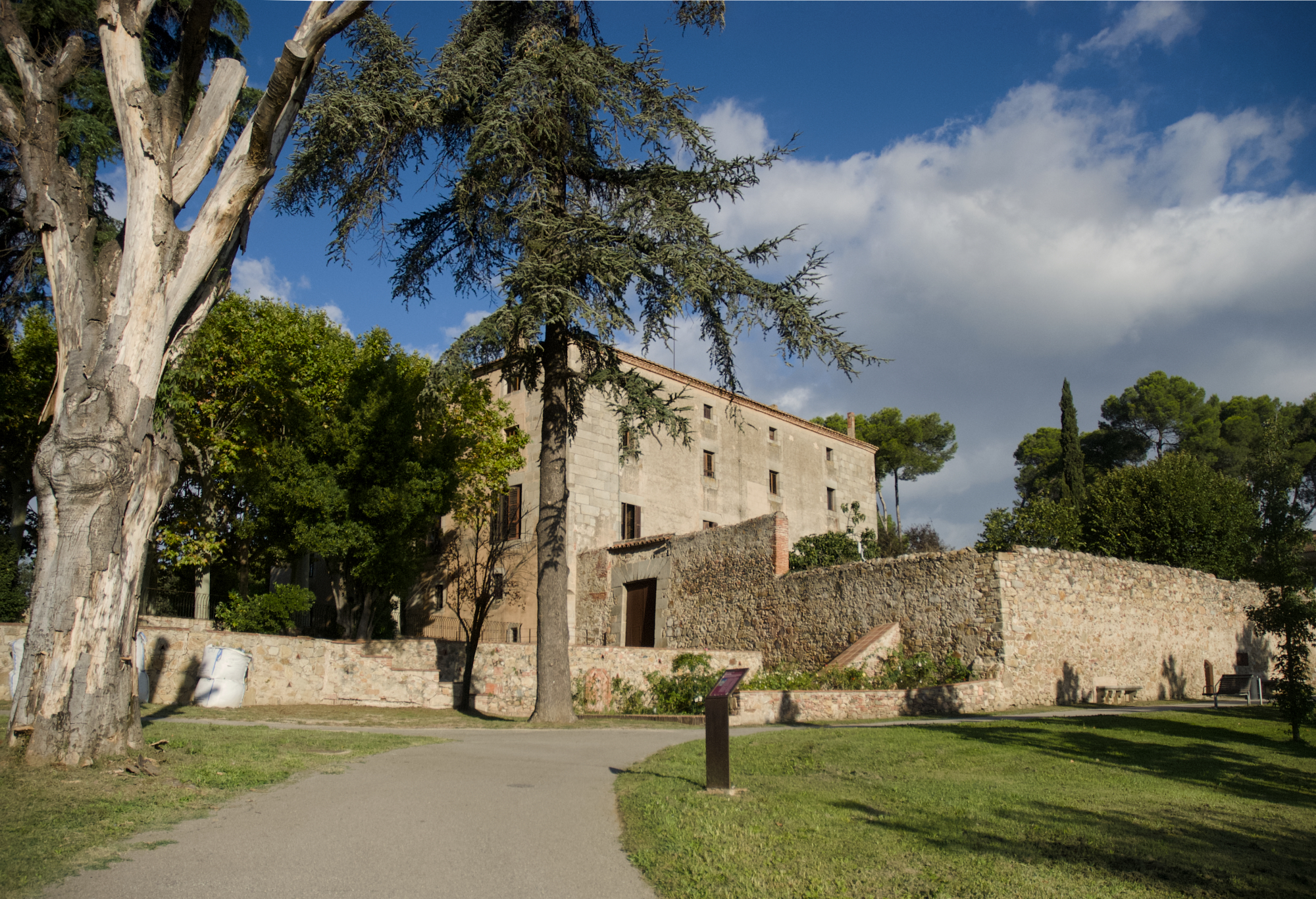
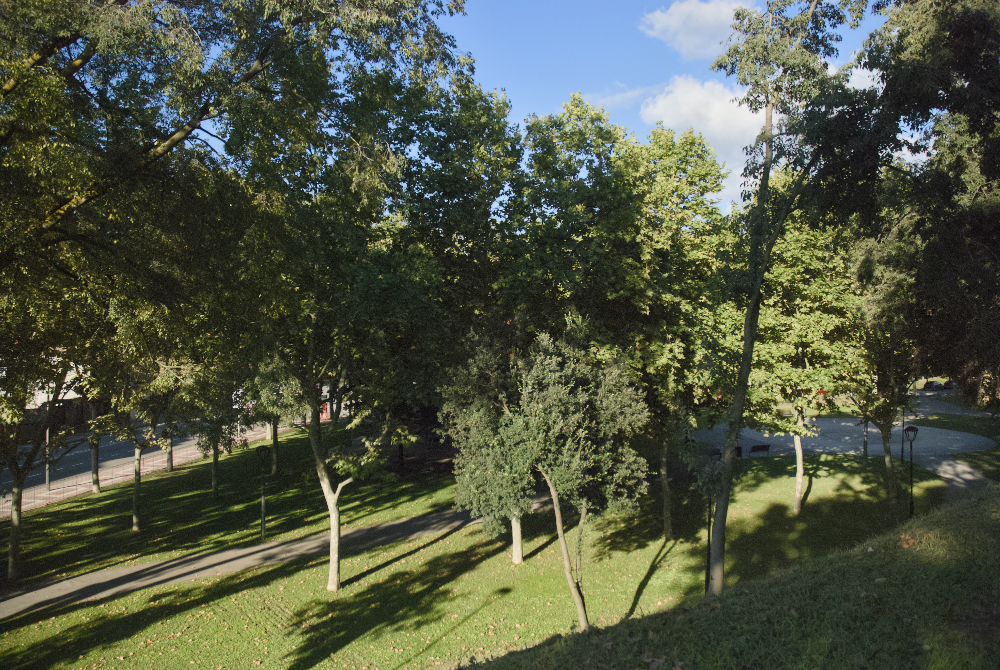
Located on a small elevation within the urban center, the complex stands out not only for its architecture, but also for its surroundings: the Corbera Park, a green space with ramps and walkways that comfortably connect to the town center.
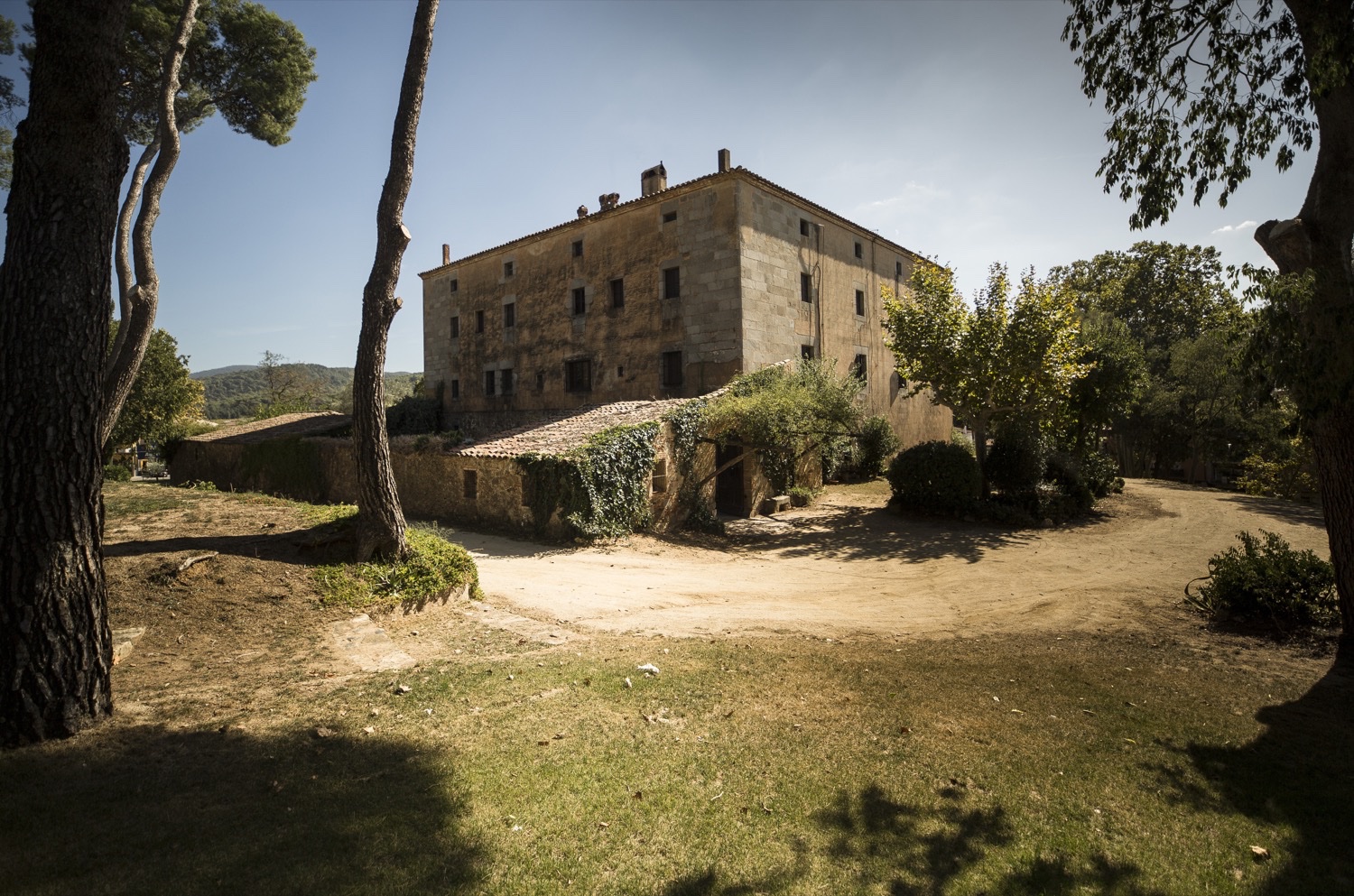
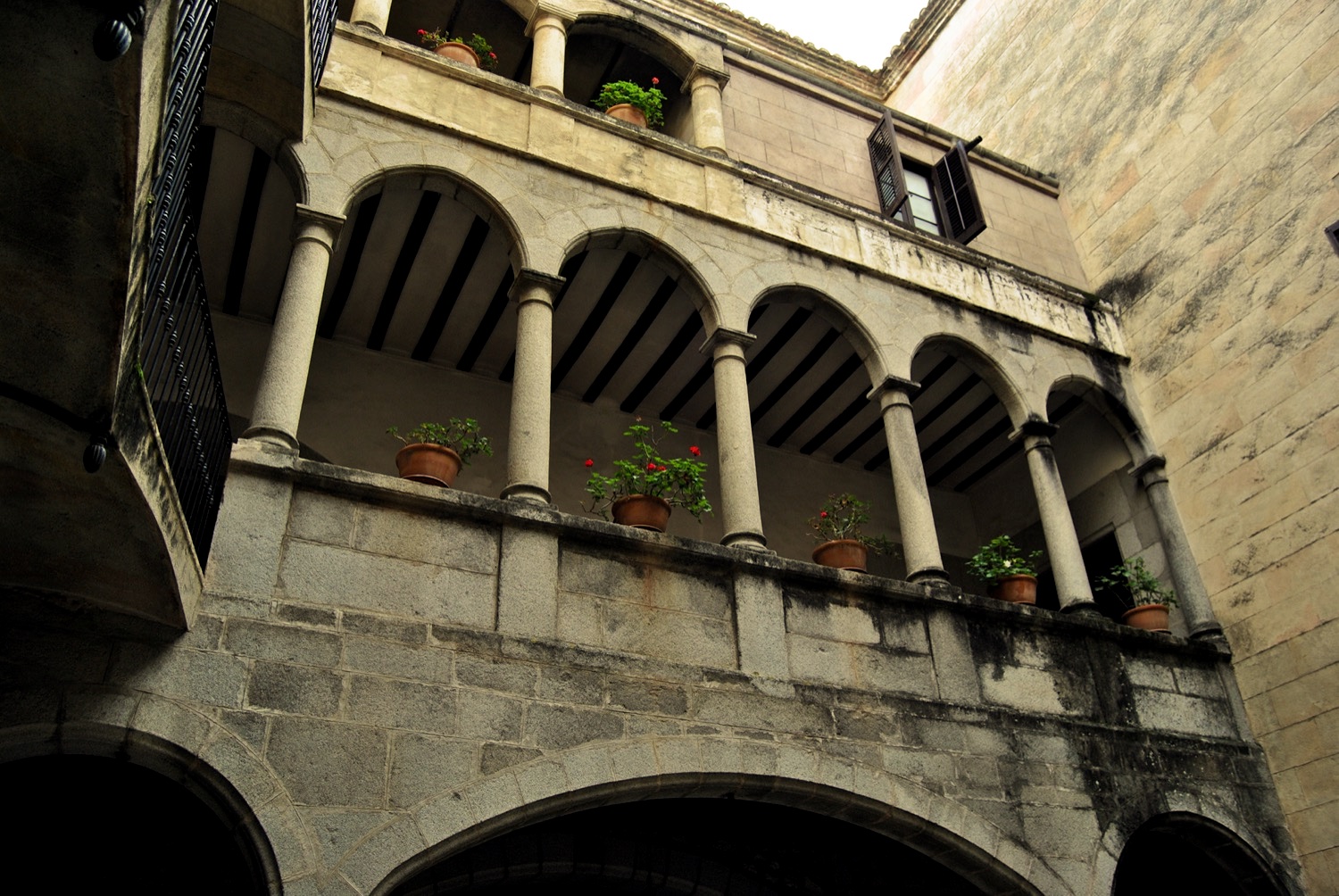
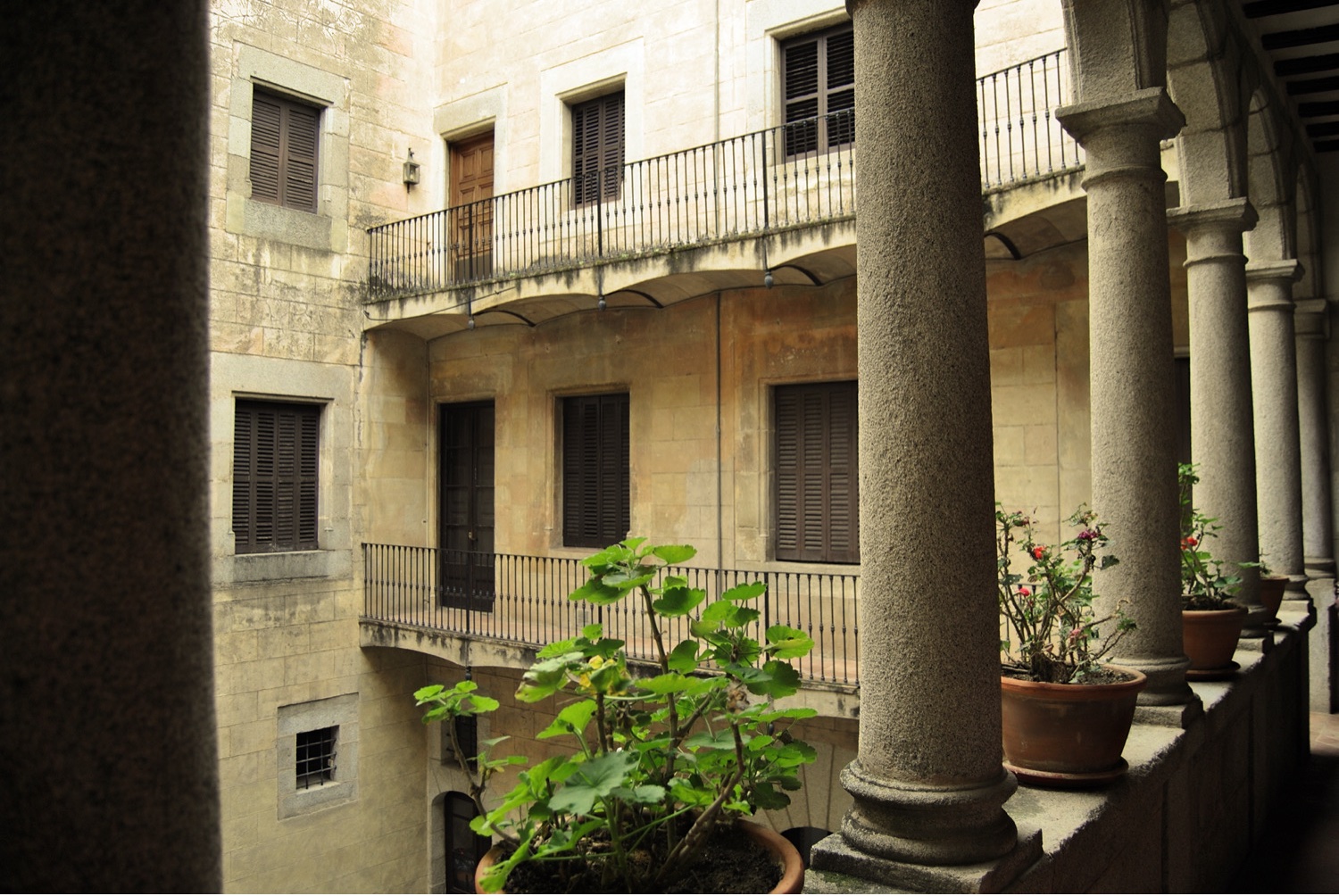
The castle has two floors of square structure with a central courtyard, Tuscan galleries, interior staircases and two towers that are still preserved. Originally, each corner had a bastion and a triangular turret; but currently only two of them remain on the northern side, since during the civil wars of the 18th century, the rest were dismantled to eliminate their military aspect.
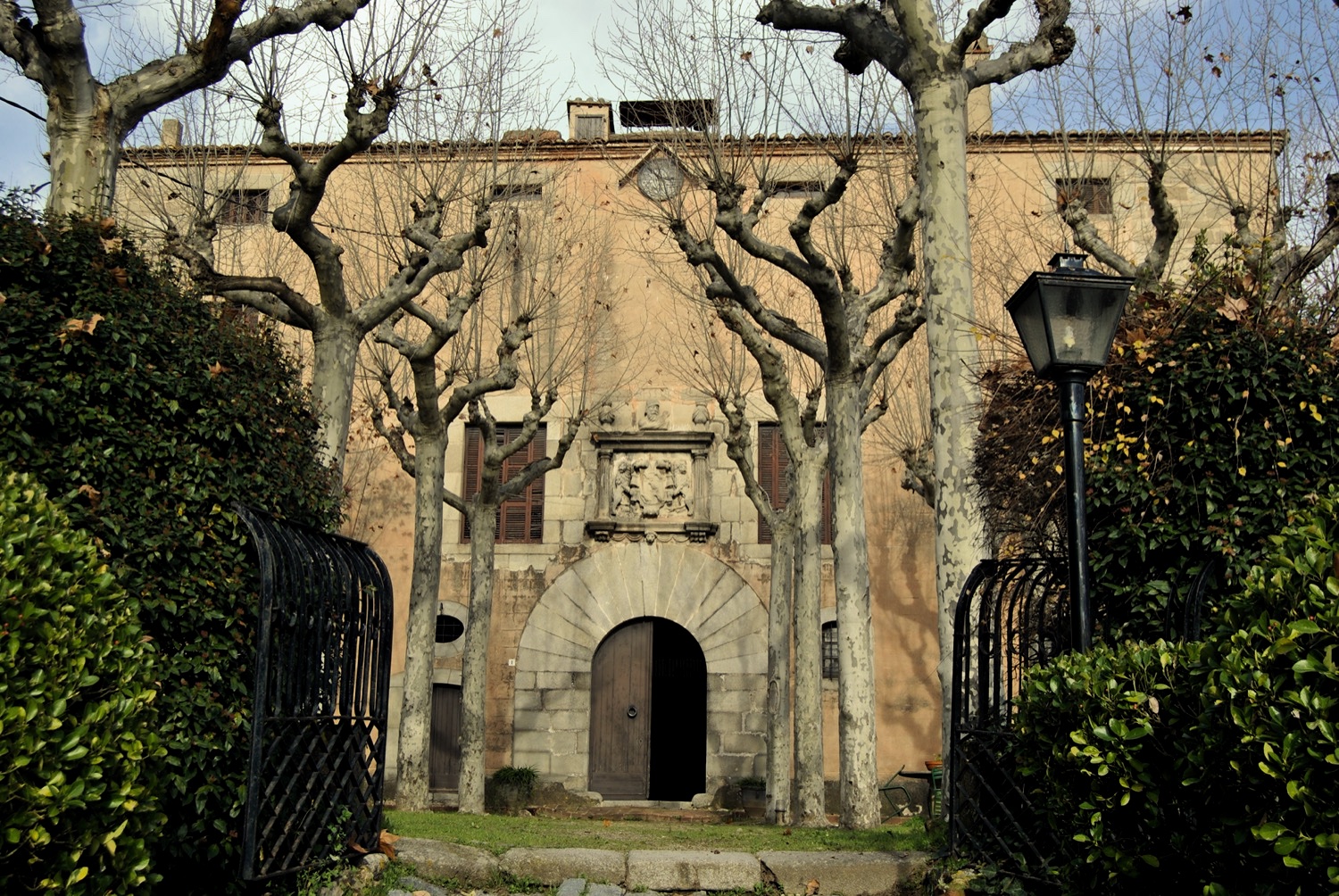
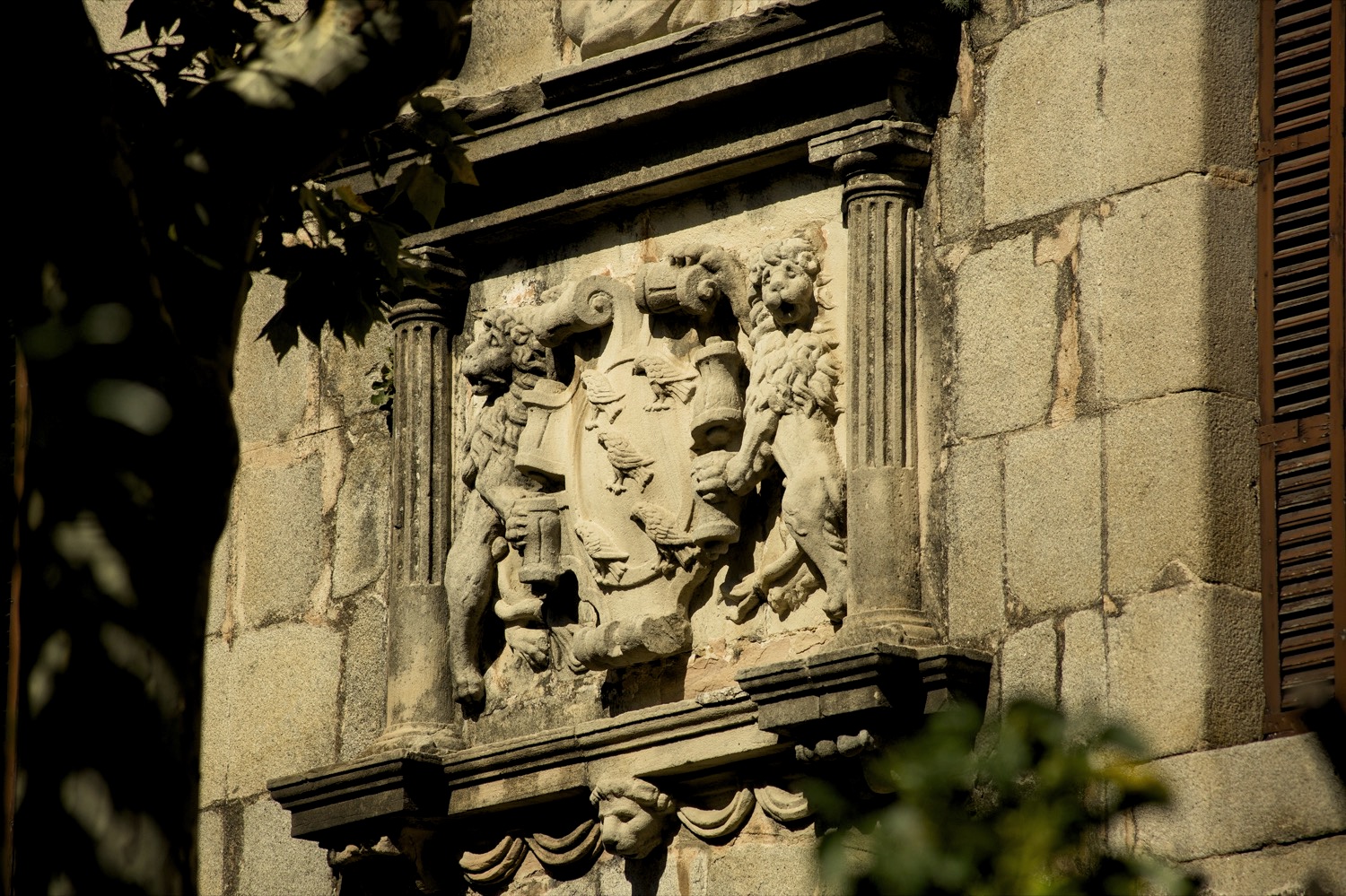
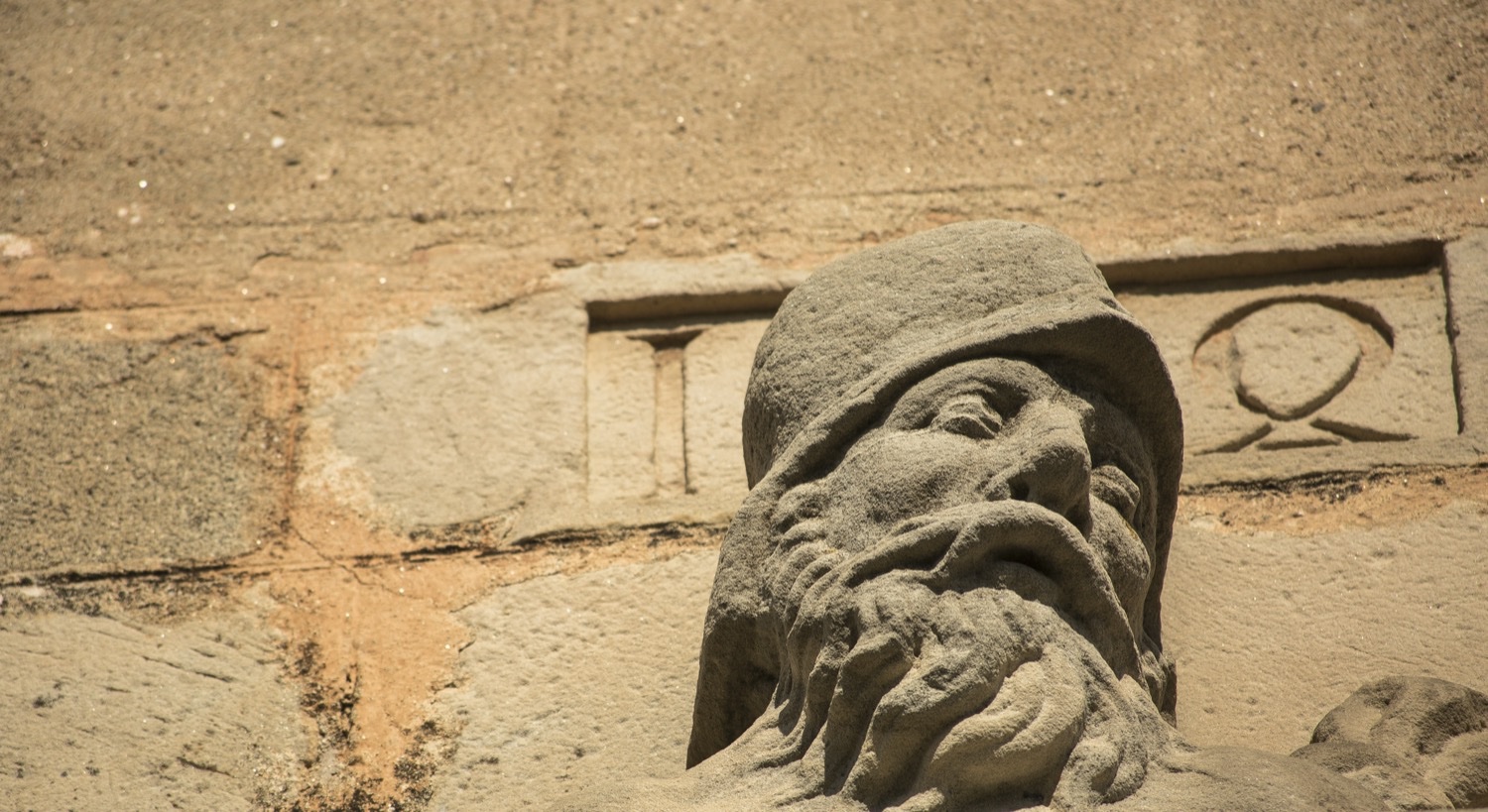
The entire building is made of masonry, with details of granite stone from the region —cut with great precision— which has remained practically intact. At the main door, the large voussoirs frame a heraldic shield with five crows between two lions and the founding date: 1558. Inside, a noble room with a coffered ceiling and mural paintings representing the months of the year and astrological symbols is preserved, an exceptional example of Renaissance art.
The castle was in private hands until 2018, when the City Council acquired it as part of its commitment to preserving the local architectural heritage. Its exterior structure is accessible and forms part of the Faristols route, which highlights the heritage elements of the municipality. The complex has been declared a Cultural Asset of National Interest since 1949.
Right next door, the Parc dels Corbera extends as a leisure and nature space with benches, children’s games, native vegetation and a rehabilitated fountain. Together, the park and the castle constitute one of the most emblematic spaces of Llinars, for its architectural beauty, its historical value and its landscape and cultural appeal.