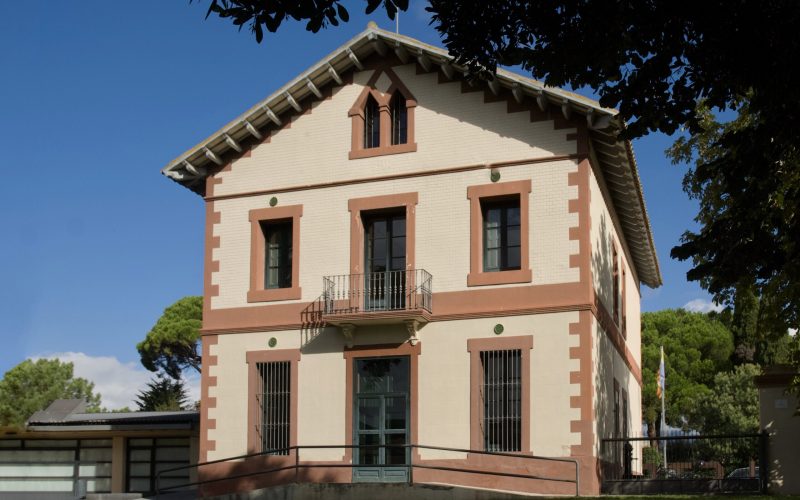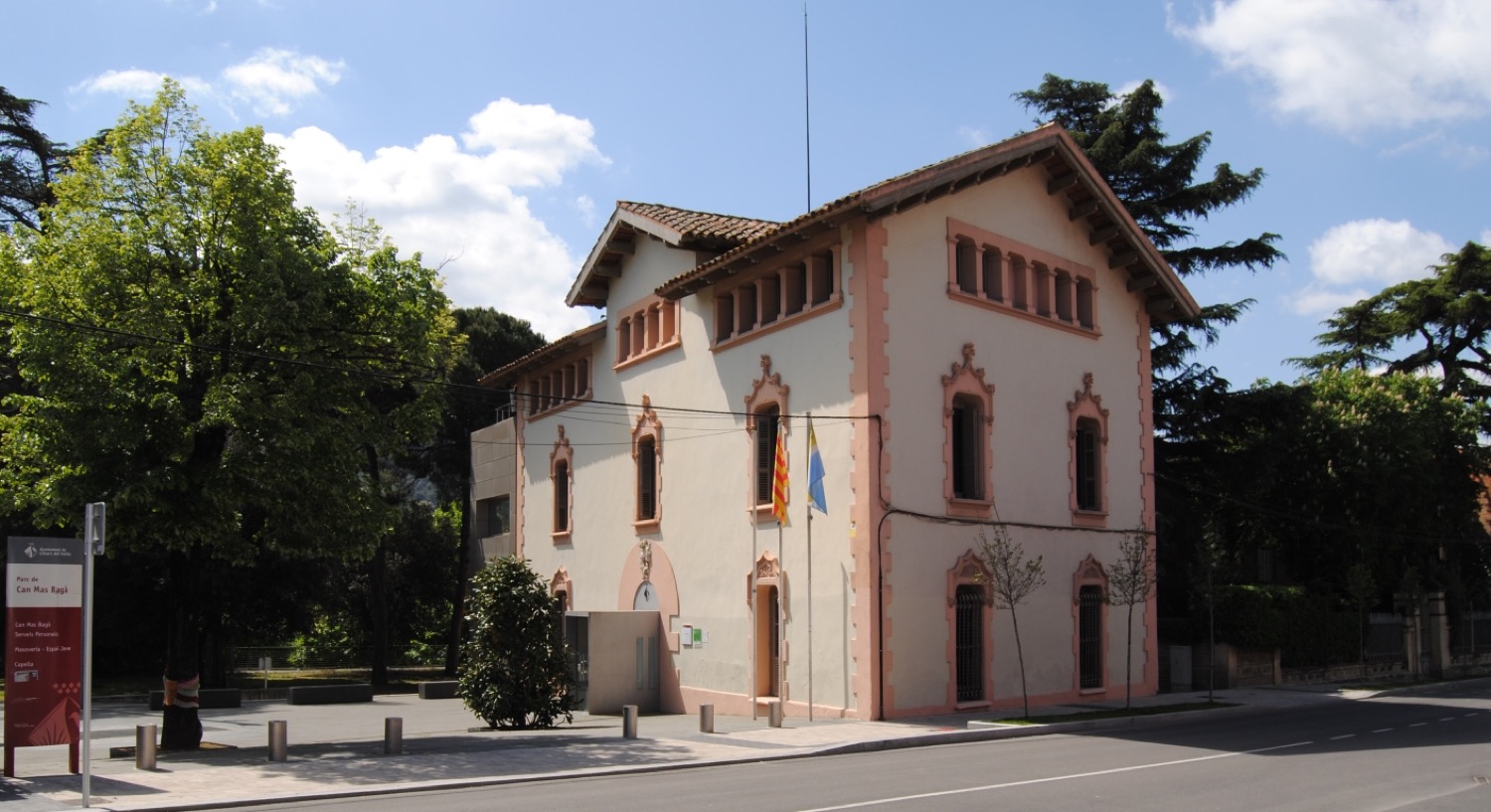

Can Mas Bagà is a stately tower with history and character, a symbol of an era when Llinars del Vallès became a summer retreat for wealthy families. At the end of the 19th century, with the arrival of the railway (1860) and the rise of rural tourism, several “gentlemen” chose the town to build their second residences, attracted by the clean air, nature and calm.
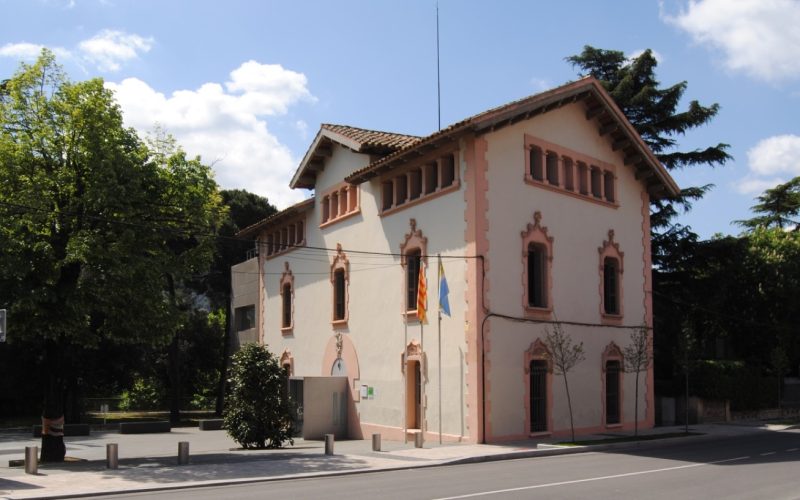
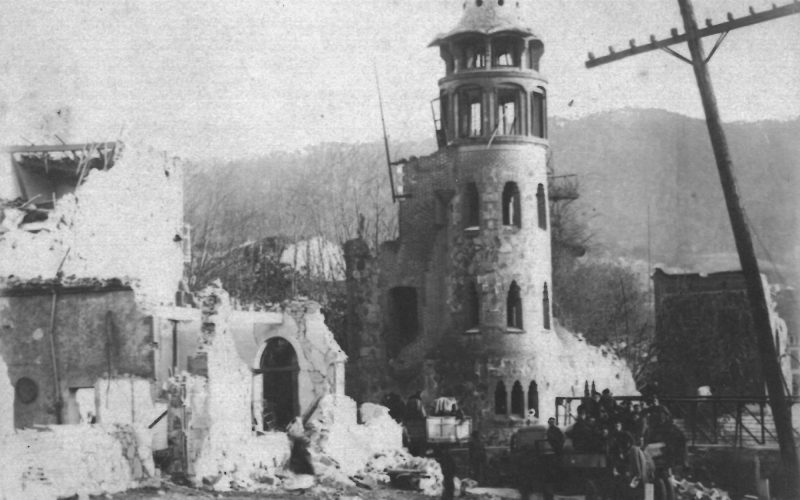
One of these families was that of the Lluhí Rissech brothers. In 1897, Josep Sanfeliu —local builder and owner of the land— designed two simple houses there, which were acquired in 1901 by Joaquim Lluhí. His brother Joan, master builder, transformed them into an imposing tower, known as Mas Sant Jordi, with neo-Gothic openings, high attics and a representation of the patron saint of Catalonia on the facade. The estate also included its own farmhouse.
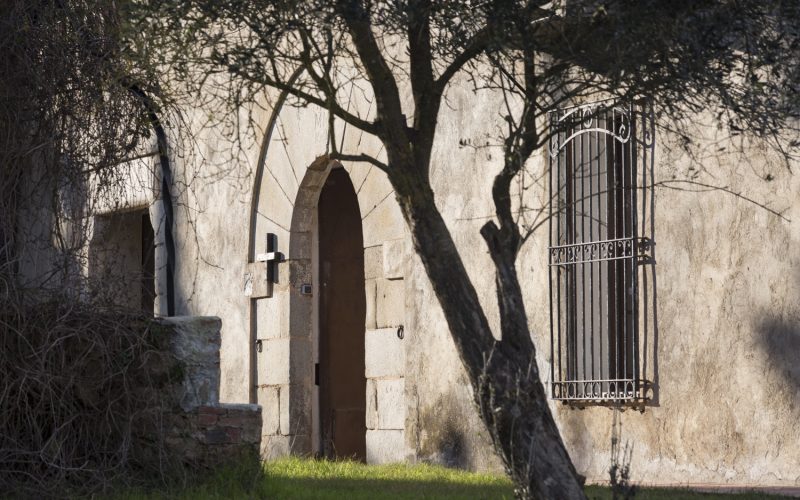
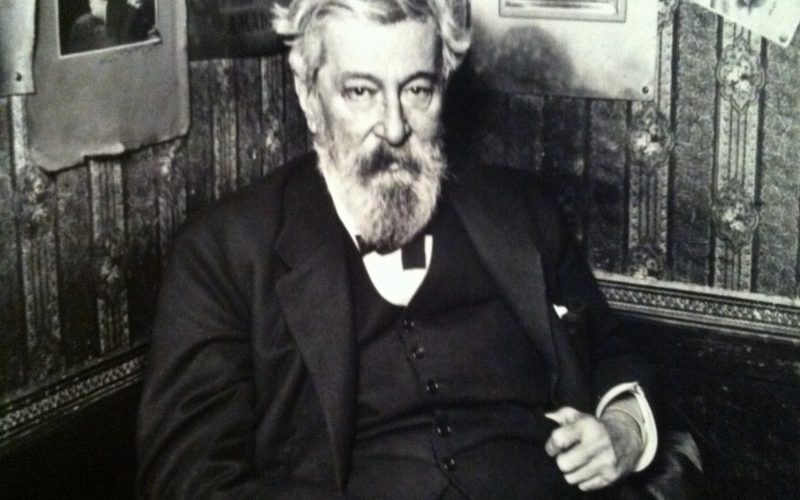
Over the years it passed into the hands of Joan Mas Bagà i Rubió, who gave it its current name. Between 1921 and 1952, Mas Bagà was a prominent cultural patron and benefactor of the town, and in recognition, in 1929 the City Council named the stretch of road where the house is located after him, and the chapel on the estate was blessed. During the Civil War, the tower housed the town’s schools and library. Later, in the 1950s, it functioned as a residence for Danish citizens.
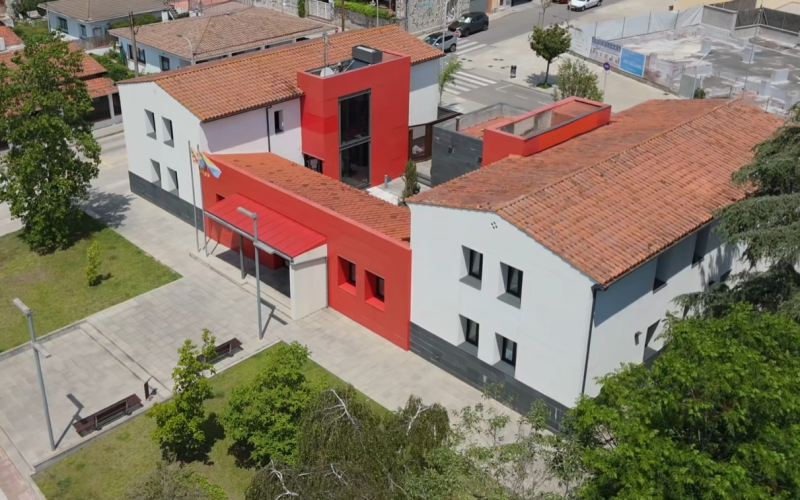
In 1975, the City Council acquired the property with the help of nineteen residents who backed the operation with their own assets, and from then on, Can Mas Bagà experienced a new stage as a Cultural and Recreational Center, home to Ràdio Llinars and other entities. After renovation works, in 2007 the building was transformed into a municipal facility, preserving its architectural essence and putting it at the service of the town.